Apricot bars are a timeless baked treat that brings together the warmth of a buttery, crumbly crust and a luscious, chewy filling bursting with the tangy sweetness of dried apricots. These bars, often shared at holiday gatherings or enjoyed as a comforting snack, have a story to tell. Every bite carries whispers of kitchens lit by festive lights and the laughter of loved ones sharing a plate of warm sweetness. This buttery apricot bars recipe elevates the classic with a tender shortbread base and a vibrant filling that balances apricot’s natural tartness with coconut and walnuts.
At their heart, these apricot bars are a celebration of contrast—crisp crust vs. soft filling, and the gentle crunch of walnuts complementing the apricots’ chewy texture. The recipe, passed down through generations, is as much about connection as it is about flavor. Whether you’re baking for a Christmas cookie platter or craving a taste of memory, these bars promise to delight. Let’s explore what makes them unique and how you can recreate this heirloom favorite at home.
What is Bittery Apricot Bars?
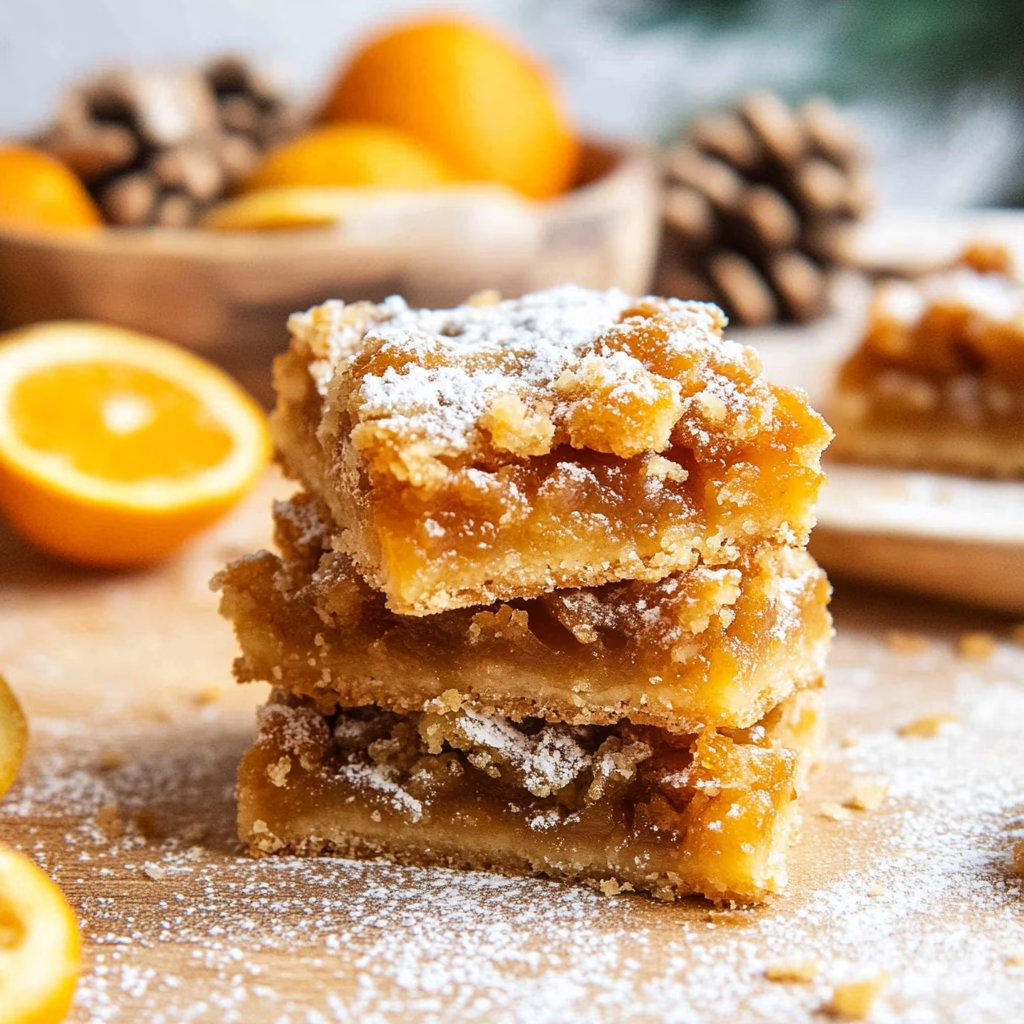
Apricot bars are a beloved hybrid of a buttery tart and a dense, fruit-soaked filling. The name often brings to mind golden, rectangular slices with a crumbly crust and a gooey interior. Originating from German-inspired American baked goods, they became a staple in mid-century home kitchens, especially during the holidays when dried fruits and nuts were abundant after shopping trips to the store. These bars are distinct for their chewiness and the balance of textures—each layer plays a vital role: the crust provides a crinkly foundation, the apricot-walnut filling delivers moist richness, and the powdered sugar finish adds a festive dusting.
The crust is made from just three ingredients—butter, sugar, and flour—blended until they resemble coarse sand, pressed into a pan, and baked to golden perfection. The filling combines eggs, brown sugar, and softened dried apricots with walnuts and coconut, creating a sticky, almost cake-like layer atop the hot crust. When baked together, the heat from the crust sets a custard-like layer between the apricots and crust without making the filling dry. This technique, learned through generations of kitchen experimentation, ensures the bars remain tender and flavorful.
What makes them truly special is the interplay of ingredients—dried apricots lend brightness, while walnuts and coconut add depth. The result is a pastry that’s neither too fragile nor overly dense, but perfectly substantial for holding a cup of coffee or a slice of holiday cheer.
Reasons to Try Bittery Apricot Bars
Making these apricot bars isn’t just about the end result; it’s about the joy of simple baking. Beginners will love the minimal steps and forgiving method, where even slightly uneven cutting adds to the charm. The only tool needed is a spatula or rolling pin—no fancy molds or complicated techniques. Each stage offers a tactile experience, from the butter blending to the apricot soaking, that transforms cooking into a moment of mindfulness.
For families, these bars are a holiday tradition worth keeping alive. Kids can help press the crust for a sense of accomplishment, while the adult crowd swears by the custardy filling as a nostalgic comfort. They’re also time-efficient: the crust and filling cook together in one pan, eliminating the wait time of layering multiple baked components. A single hour of baking yields a treat that can be made in advance and stored neatly for cookie exchanges or last-minute dessert needs.
Busy individuals will appreciate how these bars satisfy a craving without dominating the day. The recipe works with non-holiday schedules too—imagine them as a morning coffee companion or a sweet surprise after dinner. With their ability to bridge the gap between rustic and refined, these apricot bars are a celebration of simplicity in an age of complexity.
Ingredients Needed to Make Bittery Apricot Bars
• ½ cup softened butter (room temperature is key for smooth mixing)
• ¼ cup granulated sugar (for the crust’s sweetness)
• 1½ cups all-purpose flour (divided, see directions for use)
• ⅔ cup dried apricots (soaked to plump and soften, then chopped)
• 2 large eggs (room temperature helps bind the filling)
• 1 cup packed brown sugar (adds a deep caramel-like flavor)
• ½ teaspoon baking powder (keeps the filling tender)
• ¼ teaspoon salt (balances the sweetness)
• ½ teaspoon pure vanilla extract (for warmth and depth)
• ½ cup chopped walnuts (toasted for extra flavor)
• ½ cup sweetened flaked coconut (adds chew and sweetness)
• 1 cup powdered sugar (for finishing, optional)
Instructions to Make Bittery Apricot Bars Step by Step
Step 1: Preheat your oven to 350°F and prepare an 8×8-inch baking dish. Whether you use parchment paper or cooking spray, this is your first test of kitchen generosity—will you line the pan carefully or let the crust cling to the sides for texture? Both are acceptable, but parchment offers a cleaner finish.
Step 2: Start by softening the butter—it should be pliable but not greasy. Blend it with the granulated sugar and 1 cup of flour until the mixture forms coarse crumbs. Think of this as building a foundation for a house; the better your base, the more the filling will shine. Press the dough evenly into the dish, using the back of a measuring cup if needed. This hot, dense crust will bake into a caramelized crust in 15–18 minutes.
Step 3: Now, let’s prepare the apricots. Soak them until they regain their moist plumpness—picture them absorbing water like a sponge. After draining, chop them into ½-inch pieces. Their texture will soften during baking but retain a pleasant chewiness. This step is where tradition meets creativity: some cooks prefer a food processor, others a sharp knife, both yielding apricots that sing in the filling.
Step 4: In a medium bowl, whip the eggs with brown sugar and vanilla. The goal is to aerate the mixture slightly, ensuring the custard layer sets without becoming rubbery. Add the remaining ⅓ cup flour, baking powder, and salt—this dry mix will thicken the filling and let it cling to the hot crust. The crust’s warmth is part of the secret here; it helps the mixture cook gently, avoiding cracks or dry patches.
Step 5: Fold in the apricots, walnuts, and coconut. Walnuts should be evenly distributed for every bite, while the coconut adds a subtle sweetness. The resulting mixture should be glossy and loose, almost a batter. Spread it over the hot crust immediately—this is critical. The crust cools rapidly, and the filling’s moisture will evaporate without the pan’s heat. You’ll need to work quickly but carefully.
Step 6: Return the pan to the oven. The filling will puff slightly, then settle into a golden, custard-like layer over the apricots. Resist checking it too soon; it needs full 30 minutes to set properly. A toothpick inserted into the center should come out clean but show slight resistance from the coconut, not dry cracks.
Step 7: Let the bars cool completely in the pan. Cutting them while warm risks creating a mess—you’re not in a race here. Once cooled, slice into 16 bars. Some prefer a gentle dusting of powdered sugar; others roll them for a more pronounced finish. Serve them on parchment paper-lined plates for easy cleanup and maximum charm.
Chef’s Tips for a Perfect Result
- Let your butter reach 65–70°F for optimal mixing—room temperature isn’t exact, but a golden rule.
- Chop apricots manually for a rustic look: a food processor risks overworking them into a paste.
- Don’t rush spreading the filling. Patience ensures even thickness and prevents sunken centers.
- Test the toothpick gently: push near the middle, not the edge, to avoid slicing through delicate layers.
- Use a sharp knife to cut, wiping the blade between slices for clean edges and fewer apricot spills.
- Rest them for at least 2 hours before slicing if making ahead—this strengthens the crust for cleaner cuts.
Variations and Substitutions
Vegan Option
Swap butter with vegan margarine and replace eggs with flax eggs (1 tbsp ground flax + 3 tbsp water per egg). The texture will remain similar, though coconut becomes the starring flavor element.
Gluten-Free Alternative
Replace all-purpose flour with a 1:1 gluten-free flour blend and check for xanthan gum in the mix. These bars are naturally gluten-free except for any flour coatings in pre-chopped nuts.
Low-Carb Version
Use ½ cup almond flour and ½ cup crushed nuts in place of all-purpose flour. Substitute coconut flour for the apricot-coconut layer using ¼ cup plus 1 tbsp water to thicken slightly.
Budget Swap
Replace flaked coconut with toasted crushed pecans or almonds. Use honey or maple syrup in place of brown sugar, but reduce to ¾ cup. Both options maintain the sweet-nutty balance without cost.
Nut-Free Adaptation
Exclude walnuts and coconut entirely or use crushed pumpkin seeds as a substitute. For added texture, include dried cherries or raisins. The custard layer still shines as the primary star.
How to Serve and Pair
These apricot bars pair beautifully with black tea’s earthiness or a spiced chai for balance against their sweetness. For a modern twist, serve them with dark chocolate shavings on top or alongside a scoop of vanilla with a swirl of cream. During the holidays, arrange them in a festive pattern on a platter with red berries and mint leaves for visual contrast.
For breakfast, slice them thinly and serve with scrambled eggs and avocado toast. At brunch, pair with sparkling apple cider for a mocktail-friendly spread. When hosting, these bars fit seamlessly between cheese board and mince pies, bridging savory and sweet cravings. Pro tip: Store cut pieces in the fridge overnight—they soften slightly but remain perfect for picking up and eating on the go.
Storage and Reheating
Refrigerator
Store in an airtight container for up to 4 days. Place a slice of bread in the container to avoid the crust from becoming too hard. The apricot layer stays tender but dries slightly over time.
Freezer
Wrap tightly in plastic wrap then aluminum foil, or use a zip-top freezer bag. Frozen bars last 2–3 months. Allow them to thaw completely at room temperature before reheating to restore the custard layer’s texture.
Room Temperature
Unopened bars will keep freshness for 2 days in cool, dry kitchens. Use them for gift baskets or cookie exchanges but avoid leaving them exposed to humidity, which softens the crust too much.
Reheating
For best results, warm individual bars in the oven at 300°F for 5–7 minutes. Microwave at 30-second intervals to avoid overcooking. Add a drop of apricot preserves or a sprinkle of brown sugar before reheating to revive the moist texture.
Frequently Asked Questions
Can I substitute another dried fruit for apricots?
Yes: dried peaches, prunes, or cherries work well. Adjust the sweetness slightly based on tartness, and ensure the fruit is soaked and chopped for even texture.
Why does the crust need to be hot before adding the filling?
The warmth of the hot crust prevents the filling from cooling unevenly. This gentle baking method ensures the custard layer thickens properly without overcooking the apricots.
My bars cracked while baking—can this be avoided?
Undermix the filling (30 seconds max in the bowl) to prevent a dry top layer. If cracks appear, they’re cosmetic and won’t affect flavor, but avoid overbaking to maintain chewiness.
Can I prepare these apricot bars ahead of time?
Pre-bake the crust and store it at room temperature for up to 6 hours. Add the filling just before the final bake step. Alternatively, freeze assembled but unbaked bars, baking at 325°F for 40–45 minutes.
How can I customize the flavor profile?
Swirl a spoonful of cinnamon-honey mixture into the filling for warmth. Add orange zest for a citrus twist or use unsweetened shredded coconut with a drizzle of maple syrup for a new nutty note.
Conclusion
Apricot bars are a quiet marvel of home baking—crispy crust, chewy filling, and a sprinkle of coconut that whispers sweetness. Give this recipe a try, and rediscover how a few humble ingredients can become a holiday favorite. The apricot-walnut harmony in every bite is what makes them irresistibly familiar, yet always excitingly new.
Print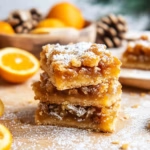
Buttery Apricot Bars with a Chewy Apricot-Walnut Filling
- Prep Time: 15
- Cook Time: 30
- Total Time: 45
- Yield: 24 bars 1x
- Category: desserts
- Method: Baking
- Cuisine: American
- Diet: Vegetarian
Description
A classic treat featuring a crumbly shortbread crust and a chewy apricot-walnut filling that balances sweetness and texture. Perfect with coffee or as a festive dessert.
Ingredients
2 cups all-purpose flour
3/4 cup powdered sugar
1 cup butter, softened (cold from fridge for crumb texture)
1 cup dried apricots, chopped finely
1/2 cup walnuts, chopped
1/2 cup shredded coconut
1/2 cup brown sugar
2 eggs, lightly beaten
1 teaspoon vanilla extract
1/4 teaspoon salt
Instructions
Preheat oven to 350°F (175°C).
Line a 9×13-inch baking pan with parchment paper, leaving extra for easy removal.
In a bowl, whisk together flour and powdered sugar. Cut in softened butter using a pastry cutter or fork until mixture resembles coarse crumbs.
Press the crumb mixture firmly into the prepared baking pan, covering the bottom evenly.
In a separate bowl, soak the chopped dried apricots in warm water for 10 minutes. Drain well and pat dry.
Mix brown sugar, chopped walnuts, shredded coconut, soaked apricots, eggs, vanilla extract, and salt in a large bowl until well combined to form a slightly sticky filling.
Spread the apricot-walnut filling evenly over the crust.
Bake for 25-30 minutes or until the filling is set and lightly golden.
Let the bars cool completely in the pan before slicing into portions.
Dust with powdered sugar before serving.
Notes
The crust benefits from being pressed evenly into the pan. If desired, use a rolling pin over the crust to flatten it after pressing.
For an extra rich flavor, use spiced coconut mixed into the filling.
Stored in an airtight container, the bars keep well for up to 4 days at room temperature or up to two weeks in the refrigerator.
Nutrition
- Serving Size: 1 bar
- Calories: 210
- Sugar: 18g
- Sodium: 150mg
- Fat: 11g
- Saturated Fat: 6g
- Carbohydrates: 26g
- Fiber: 1g
- Protein: 3g
- Cholesterol: 30mg