German Plum Cake, known affectionately as Pflaumenkuchen or Zwetschgenkuchen, is one of those timeless recipes that feels like a warm hug on a late summer afternoon. There is a specific magic to the way the tart, juicy plums bake into the slightly yeasted dough, creating a perfect balance that isn’t overly sweet. I remember my first attempts at yeast baking, full of hesitation and worry, but this recipe is wonderfully approachable and forgiving for any home cook looking to bring a piece of European tradition into their own kitchen.
This German plum cake is more than just a dessert; it is a seasonal tradition that reminds us to slow down and appreciate the simple bounty of the harvest. Whether you are serving it as a mid-afternoon treat with coffee or as a rustically elegant dessert for guests, it consistently earns rave reviews without demanding hours of complex labor in the kitchen.
What is German Plum Cake?
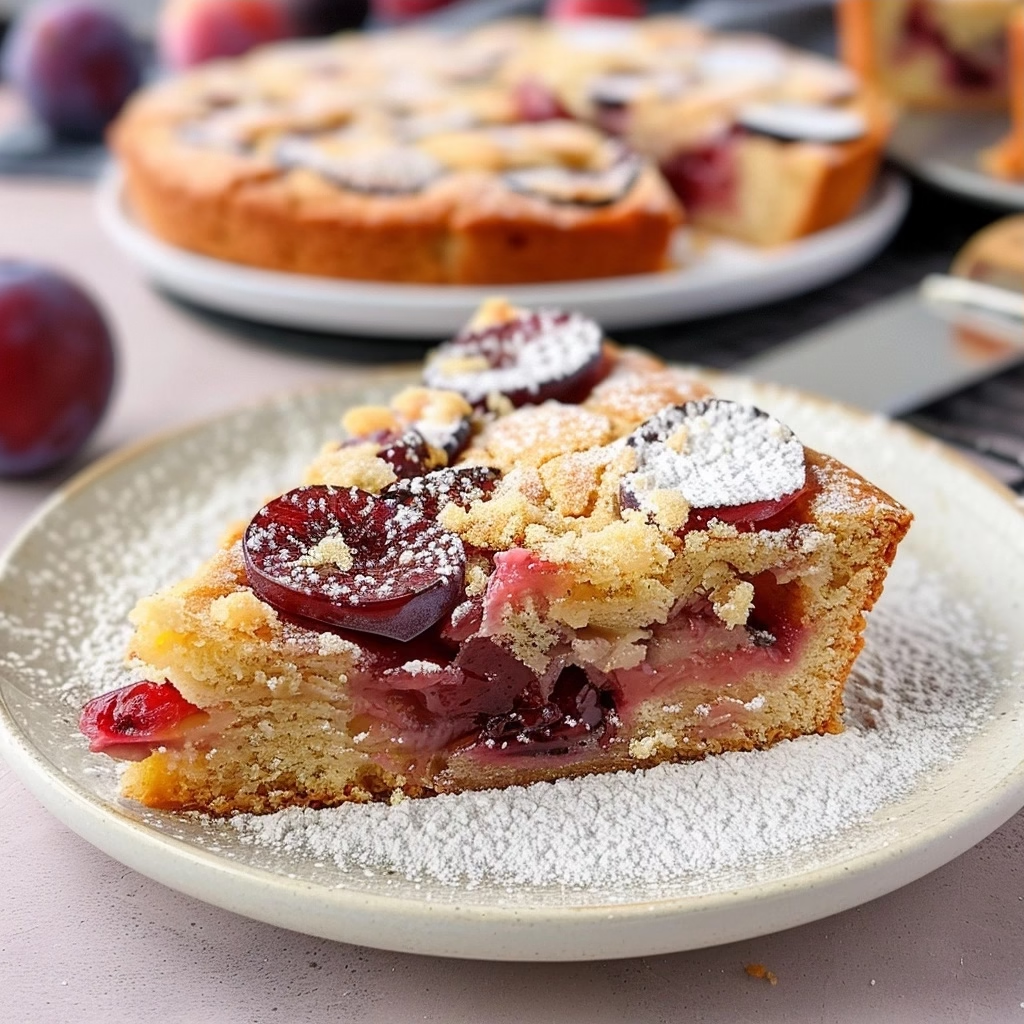
German Plum Cake is a classic sheet-pan dessert featuring a soft, lightly sweetened yeast dough base topped with fresh, halved Italian prune plums. The hallmark of the dish is the contrast between the tender, airy dough and the sharp, caramelized edges of the fruit as it releases its juices in the heat of the oven.
While variations exist across different regions in Germany, the version topped with a generous layer of buttery, cinnamon-scented streusel is arguably the most beloved. It thrives on simplicity, relying on quality seasonal fruit and basic pantry staples to create a texture that feels both comforting and sophisticated.
Reasons to Try German Plum Cake
If you love home baking, this German plum cake is a must-add to your repertoire because it is incredibly reliable. Even beginners find the yeast dough easy to handle, and because it is baked on a single sheet pan, you don’t need fancy molds or complicated assembly techniques to get a beautiful result.
It is also a fantastic way to handle a surplus of fruit during the late summer months. The yield is perfect for sharing with family or bringing to a neighborhood gathering. You will find that the fragrance of baking plums and cinnamon filling your home is an experience in itself, offering a cozy, nostalgic atmosphere that store-bought cakes simply cannot replicate.
Ingredients Needed to Make German Plum Cake
- 3 cups all-purpose flour
- 2 1/4 teaspoons instant yeast
- 1/3 cup granulated sugar
- 1/8 teaspoon salt
- 3/4 cup warm milk (ensure warmth is mild to the touch)
- 1 teaspoon vanilla extract
- 1/3 cup unsalted butter (softened at room temperature)
- 1 large egg (at room temperature)
- 2 1/2 pounds Italian prune plums (blued plums work best)
- 2 1/3 cups all-purpose flour (for the topping)
- 1 cup unsalted butter (softened for the topping)
- 3/4 cup granulated sugar (for the topping)
- 1/2 to 1 teaspoon ground cinnamon (optional)
Instructions to Make German Plum Cake – Step by Step
Step 1: Start by whisking the flour and instant yeast together in a large mixing bowl. Make sure your yeast is active and check the packaging to confirm no prior dissolving is required.
Step 2: Incorporate the sugar, salt, and warm milk. Use a stand mixer equipped with the dough hook attachment or a hand mixer to knead everything into a cohesive, shaggy mass.
Step 3: Gradually add the vanilla extract, softened butter, and the egg. Continue kneading for about five minutes. You are looking for a smooth, elastic dough that pulls away from the sides. If it feels too sticky, add a sprinkle of flour; if it feels stiff or dry, add a tiny splash of milk.
Step 4: Cover the bowl with a clean kitchen towel and place it in a warm, draft-free spot. Let it rest for approximately one hour, or until it has noticeably doubled in bulk. Good things take time, so don’t rush this stage.
Step 5: Prepare your streusel while the dough rises. Combine the flour, butter, sugar, and cinnamon in a bowl. Use your hands to massage the ingredients together until they form coarse, buttery crumbs. You can press the mixture together in your palms to create larger chunks for a better texture.
Step 6: Preheat your oven to 350 degrees Fahrenheit and line a large 17×11-inch baking sheet with parchment paper. Once the dough has risen, punch it down gently and roll it out until it fits your prepared pan. Allow the shaped dough to proof for another 15 minutes while you prepare the fruit.
Step 7: Wash the plums, halve them, discard the stones, and slice them into halves or quarters. Arrange the pieces neatly on the dough, pressing them down just enough so they stay in place. Distribute your prepared streusel evenly over the top.
Step 8: Slide the tray into the oven and bake for roughly 30 minutes, or until the dough is golden and a toothpick inserted into the center comes out clean. Let the cake settle and cool slightly on a wire rack before you attempt to slice it.
Chef’s Tips for a Perfect Result
- Use room-temperature eggs and butter, as they emulsify into the dough 30 percent better than cold ingredients.
- If your plums are exceptionally juicy, sprinkle a thin layer of unseasoned breadcrumbs on the dough before arranging the fruit to soak up the excess.
- Ensure your milk is warm, not hot; hot milk will kill the yeast and prevent your cake from rising.
- Use a light touch when rubbing the streusel; the goal is a loose crumb, not a dense paste.
Variations and Substitutions
- Vegan Option: Swap the egg for a commercial egg replacer or a flax egg, and use chilled coconut oil or a high-quality vegan butter block for the dough and streusel.
- Gluten-Free Alternative: Use a trusted 1-to-1 gluten-free baking flour blend, though note that the final texture may be less elastic than traditional wheat-based dough.
- Budget Swap: If Italian prune plums are not in season, high-quality frozen plums or even fresh peaches can work, provided you adjust the sugar if the fruit is particularly tart.
How to Serve and Pair
This cake is best served slightly warm, perhaps with a dollop of unsweetened whipped cream or a scoop of vanilla bean ice cream to balance the tartness of the fruit. Pair it with a cup of strong black coffee or a mild herbal tea for an afternoon treat. It is a stunning centerpiece for a brunch table or a potluck.
Storage and Reheating
Refrigerator
Wrap the cake leftovers tightly in plastic wrap or store in an airtight container for up to three days. Place it in the fridge if your kitchen is warm to prevent the fruit from fermenting.
Freezer
Slice the cake and wrap individual portions in freezer-safe film. It will keep well for up to one month. Thaw at room temperature for an hour before consumption.
Reheating
To refresh the texture, pop a slice into a warm oven at 300 degrees Fahrenheit for five minutes. Avoid the microwave if possible, as it tends to turn yeasted dough gummy or tough.
Nutritional Values
Per serving (approximate):
- Calories: 416kcal
- Protein: 7g
- Carbohydrates: 58g
- Fat: 18g
- Fiber: 3g
Approximate values.
Frequently Asked Questions
Can I use dried plums instead of fresh ones?
You should stick to fresh fruit, as dried plums lack the moisture required to bake into the yeasted dough effectively. Fresh plums release juices that caramelize during the baking process, a key characteristic of this dish.
How can I tell if the dough is fully baked?
The cake is done when the edges are golden brown and a toothpick inserted into the center of the dough comes out free of wet batter. Since plums add moisture, ensure you are testing the bread portion rather than the fruit.
Why is my dough tearing when I roll it out?
Torn dough is usually a sign that it needs a longer rest to allow the gluten to relax. If it fights back, cover it, wait ten minutes, and try rolling it again slowly.
Can I assemble this the night before?
You can make the dough through the first rise, then keep it in the refrigerator overnight. Bring it to room temperature before rolling it out and adding the fruit topping the next morning.
What other fruits work well with this base?
Apricots and peaches are excellent substitutes for plums and maintain the right structural integrity. Simply treat them the same way by removing the pits and thinly slicing them before arranging on the dough.
Conclusion
German Plum Cake is a delightful, classic treat that brings the comfort of home baking to any kitchen table. By mastering this simple yeast dough and pairing it with seasonal fruit, you create a dessert that is as beautiful as it is delicious. I truly encourage you to give this recipe a try at home during your next weekend in the kitchen. There is simply no substitute for that irresistible combination of tart garden-fresh fruit and buttery, crisp streusel topping.
Print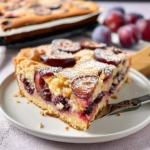
Authentic German Plum Cake (Pflaumenkuchen)
- Prep Time: 90
- Cook Time: 35
- Total Time: 125
- Yield: 12 servings 1x
- Category: desserts
- Method: Baking
- Cuisine: German
- Diet: Vegetarian
Description
Experience the timeless comfort of a classic German Plum Cake, or Pflaumenkuchen. This seasonal specialty features a pillowy, slightly yeasted dough topped with rows of succulent, tart Italian prune plums and finished with a buttery, cinnamon-spiced streusel. Perfect for late summer harvests, this sheet-pan dessert strikes a sophisticated balance between airy texture and caramelized fruit flavors, making it an approachable yet impressive treat for any coffee hour or family gathering.
Ingredients
3 cups all-purpose flour
2 1/4 teaspoons instant yeast
1/3 cup granulated sugar
1/8 teaspoon salt
3/4 cup warm milk
1 teaspoon vanilla extract
1/3 cup unsalted butter, softened
1 large egg, room temperature
2 1/2 pounds Italian prune plums, halved and pitted
2 1/3 cups all-purpose flour (for topping)
1 cup unsalted butter, softened (for topping)
3/4 cup granulated sugar (for topping)
1 teaspoon ground cinnamon
Instructions
In a large bowl, whisk together 3 cups flour, yeast, 1/3 cup sugar, and salt.
Stir in warm milk, vanilla, 1/3 cup butter, and egg until a smooth dough forms.
Knead the dough on a floured surface for 5-7 minutes until elastic, then cover and let rise in a warm place for 60 minutes.
Prepare the streusel by crumbling 2 1/3 cups flour, 1 cup butter, 3/4 cup sugar, and cinnamon until mixture resembles coarse crumbs.
Preheat oven to 375°F (190°C) and grease a large sheet pan.
Roll out the dough to fit the pan, then arrange plum halves skin-side down in rows over the dough.
Sprinkle the cinnamon streusel generously over the plums.
Bake for 30-35 minutes until the dough is golden and the fruit juices are bubbling.
Notes
Ensure the milk is lukewarm (around 110°F) to activate the yeast without killing it. For the best texture, use firm, ripe Italian prune plums. Leftovers can be stored covered at room temperature for up to 2 days, or frozen for up to a month.
Nutrition
- Serving Size: 1 slice
- Calories: 320
- Sugar: 18g
- Sodium: 45mg
- Fat: 14g
- Saturated Fat: 8g
- Carbohydrates: 48g
- Fiber: 3g
- Protein: 5g
- Cholesterol: 55mg