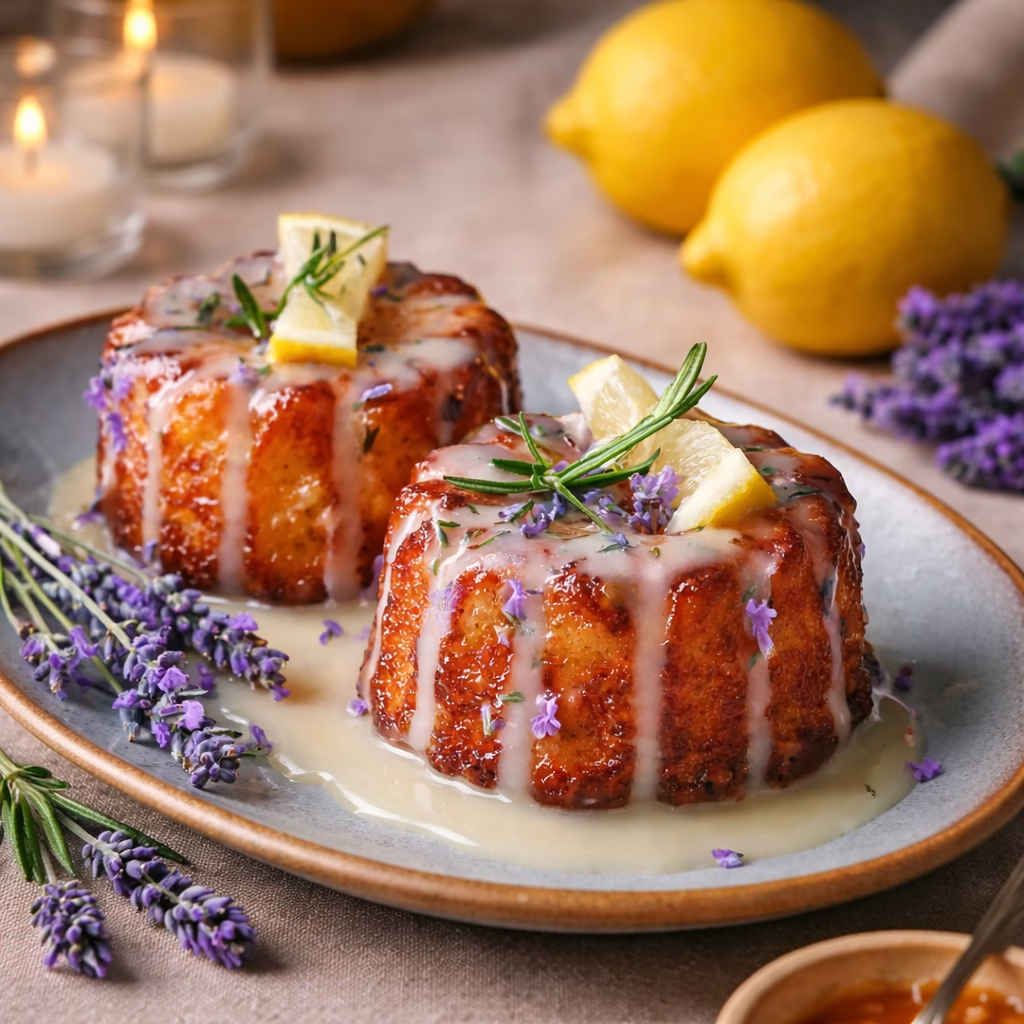
Mini Lemon Cakes with Lavender Glaze are the perfect balance of zesty citrus and floral elegance. These bite-sized treats boast a tender crumb, bursts of lemon flavor, and a silken lavender glaze that transforms simple ingredients into a show-stopping dessert. Whether you’re hosting a summer tea party or craving a cozy afternoon treat, this recipe delivers sophistication without the fuss. The combination of bright lemon and delicate lavender creates a dessert that feels both indulgent and approachable—a true crowd-pleaser in every bite.
Making these mini cakes at home is surprisingly simple. The secret lies in the balance of textures: a moist, slightly crumbly cake base complements the smooth, drizzled glaze. The lavender isn’t overpowering but adds a whisper of fragrant complexity that lingers on the palate. What makes this recipe special isn’t just the ingredients but how they harmonize. Each bite is like a mini vacation, marrying lemon’s refreshing tang with lavender’s calming warmth. You don’t need advanced baking skills to create this elegant dessert—just attention to texture and timing.
What is Mini Lemon Cakes with Lavender Glaze?
This recipe originates from the growing trend of modern, plant-forward desserts that celebrate bold flavor pairings. While lemon and lavender have long been staples in French patisseries, their combination in mini cake form is a more recent innovation. The recipe cleverly uses culinary lavender, which is mild and safe for cooking, to elevate the simple lemon cake. The mini size makes these cakes ideal for entertaining, allowing guests to sample different desserts without feeling overwhelmed.
The standout ingredients—fresh lemon zest, high-quality unsalted butter, and real culinary lavender—create a flavor profile that’s both refined and comforting. What makes this dessert unique is the interplay between the cake and glaze: the slightly tangy cake contrasts with the glaze’s smooth, floral finish, creating a layered taste experience. Unlike traditional layer cakes, these mini versions are designed to be handheld, making them perfect for brunch tables, dessert platters, or even as take-home party favors.
Reasons to Try Mini Lemon Cakes with Lavender Glaze
These mini cakes bridge the gap between everyday baking and special occasion desserts. For beginners, the steps are straightforward, with clear guidance on when to mix, bake, and add the glaze. Busy home cooks will appreciate how the recipe allows for efficient batch preparation—12 mini cakes can be made in under 1.5 hours, including baking and glazing. The recipe’s adaptability is another draw: you can scale ingredient quantities, adjust the number of mini tins, or substitute ingredients while still achieving delicious results.
These cakes are particularly suited for people who love floral flavors but might not know where to start. The lavender glaze is subtly fragrant, not medicinal or bitter, making it accessible even to lavender skeptics. They’re also excellent for families with picky eaters since the mini size allows everyone to try a bit without commitment. For tea enthusiasts, pairing these cakes with herbal infusions like chamomile or Earl Grey elevates the sensory experience, turning a simple dessert into a cozy afternoon ritual.
Ingredients Needed to Make Mini Lemon Cakes with Lavender Glaze
For the Cakes:
1 1/3 cups all-purpose flour
1/2 tsp. kosher salt
1/8 tsp. baking soda
1/2 cup unsalted butter, softened (at room temperature, not melted)
2/3 cup granulated sugar
1/3 cup packed light brown sugar
1 Tbsp. grated lemon zest from 2 lemons (freshly zested for maximum aroma)
2 large eggs, at room temperature
1/4 cup sour cream, at room temperature (or Greek yogurt for a tangy twist)
1/4 cup whole milk, at room temperature (dairy-free alternatives work too)
1 tsp. vanilla extract
For the Lavender Glaze:
1/4 cup whole milk (or non-dairy milk)
1/2 tsp. culinary lavender (available at specialty stores or online)
1 1/2 cups powdered sugar (sifted for smoothness)
1/4 tsp. kosher salt
1/8 tsp. vanilla extract
Edible flowers and lemon zest for garnish (optional, for visual appeal)
Instructions to Make Mini Lemon Cakes with Lavender Glaze – Step by Step
Step 1: Begin with room-temperature ingredients for even mixing and a tender crumb. In a large bowl, whisk together the flour, salt, and baking soda until well distributed. This dry ingredient mix acts as the cake’s structure. It’s important to sift or whisk these together first to remove any lumps and ensure the leavening agents are evenly activated.
Step 2: In your stand mixer, cream the softened butter, granulated sugar, and brown sugar until light and fluffy—about 3 minutes on medium speed. This incorporation of air is crucial for the cake’s volume and texture. Add the grated lemon zest here; you’ll notice the zesty aroma immediately enhancing the butter-sugar mixture. This step forms the base for the cake’s moisture and lemon flavor.
Step 3: Next, add the eggs one at a time, ensuring each is fully incorporated before adding the next. Room-temperature eggs emulsify better, creating a smooth batter. After all the eggs are added, mix until the batter is pale and well combined. Scrape the bowl regularly to ensure there are no streaks or unmixed pockets of ingredients.
Step 4: In a separate bowl, whisk together the sour cream (or yogurt), whole milk, and vanilla. This wet ingredient mixture will be alternated with the dry ingredients to create a balanced batter. Using a spatula or the mixer on low speed, add the flour mixture and wet ingredients in alternating batches, beginning and ending with the flour. This gentle folding process prevents overmixing, which can make the cake dense or dry.
Step 5: Once the batter is smooth and slightly thick, divide it evenly between the prepped mini cake trays. Tap the trays gently on the counter to release any air bubbles that might form. The batter should fill each mold about two-thirds full to allow for rising during baking. This step is particularly satisfying because you start seeing the physical transformation of the batter into a cake.
Step 6: Bake at 325°F for 18–20 minutes, or until a toothpick inserted into the center comes out clean. The cakes should have a golden crust and a soft, slightly springy top. Allow them to cool completely in the pans for 10 minutes before inverting onto a wire rack to cool fully. This cooling period helps the cake set and prevents it from crumbling when glazed.
Step 7: For the glaze, microwave 1/4 cup milk for 1 minute until warm (but not boiling). This heat activates the lavender’s oils without cooking it, preserving the delicate floral notes. Let the lavender steep for 10 minutes, then strain the liquid through a fine-mesh strainer, pressing gently with a spoon to extract as much infused milk as possible.
Step 8: In a medium bowl, combine the powdered sugar, salt, and vanilla extract. Gradually add the lavender-infused milk, mixing gently but thoroughly. The key here is to add the milk slowly—1 teaspoon at a time—until the glaze reaches a smooth, slightly runny consistency. It should be thick enough to drizzle in ribbon-like patterns but not so thick that it won’t flow easily.
Step 9: Once the cakes are completely cool (at least 1 hour), drizzle the lavender glaze over the top. The glaze will settle naturally due to the cake’s slight temperature. For extra flair, garnish with a sprinkle of grated lemon zest and edible flowers. These finishing touches add both texture and visual appeal, making the desserts feel special enough for guests.
Chef’s Tips for a Perfect Result
- Room-temperature ingredients are key: All butter, eggs, sour cream, and milk should be at room temperature before mixing to ensure a smooth, cohesive batter.
- Don’t skip the lavender steeping time: Letting the lavender sit in the warm milk for 10 full minutes infuses the glaze with maximum floral flavor without bitterness.
- Use a wire rack for cooling: This prevents the cakes from becoming soggy and allows even glaze absorption.
- Adjust milk in the glaze as needed: If your glaze is too thick, add a tiny splash of milk. If too thin, add a teaspoon of powdered sugar at a time.
- Tap the pans gently after filling: This releases air bubbles and helps the cakes bake evenly without sinking.
Variations and Substitutions
Vegan Option: Use vegan butter, coconut oil, and non-dairy milk (cashew or oat work well for the glaze). Substitute sour cream with coconut yogurt for tanginess.
Gluten-Free Alternative: Replace all-purpose flour with a 1:1 gluten-free flour blend. Check that your baking powder and salt are certified gluten-free.
Low-Carb Version: Swap all-purpose flour with almond flour and use erythritol or monk fruit sugar. Reduce the brown sugar slightly to prevent excess moisture.
Budget Swap: Use regular milk instead of whole milk and a pinch of dried culinary lavender instead of fresh flowers for garnish.
How to Serve and Pair
Presentation is key for these mini cakes: arrange them on a vintage china platter or wooden tray for an elegant touch. Drizzle the glaze in an artistic pattern to highlight the lavender’s influence. For pairing, consider classic combinations like herbal tea (chamomile or Earl Grey) or sparkling water with a wedge of lemon. The glaze’s floral notes also harmonize beautifully with light wines like Pinot Grigio or Sancerre.
These cakes are ideal for brunch menus, baby showers, or as a spring-summer dessert. They freeze beautifully and can be made ahead for holidays. For a festive twist, serve them with a dollop of whipped cream or a side of lemon-infused custard.
Storage and Reheating
Refrigerator: Store in an airtight container for up to 3 days. The glaze may slightly harden, but it becomes re-softened when warmed.
Freezer: Freeze cooled, glazed cakes in a single layer on parchment paper before transferring to a freezer-safe bag. Use within 2 months for best quality. Thaw at room temperature for 30 minutes before serving.
Room Temperature: Place in a breathable container (like a cake dome) for up to 24 hours, though the glaze will harden slightly in dry environments.
Reheating: Warm in a 250°F oven for 5–7 minutes to restore freshness. For a single cake, use the microwave in 10–15 second bursts, but avoid over-warming as the glaze can melt into the cake.
Nutritional Values
Per serving (1 mini cake with glaze):
– Calories: 320
– Protein: 4g
– Carbohydrates: 39g
– Fat: 17g
Approximate values.
Frequently Asked Questions
Q1: Can I use regular milk instead of whole milk in the glaze?
Yes, regular milk works perfectly. For a richer flavor, you can substitute half & half or heavy cream. Non-dairy milk like oat or cashew also adds a unique twist.
Q2: How do I know when the cakes are done baking?
The cakes are done when the edges pull away slightly from the pan, the tops are golden, and a toothpick inserted into the center comes out clean. The texture should feel light and springy, not dense or wet.
Q3: My cakes turned out too dry. What did I do wrong?
Overmixing the batter or baking beyond 20 minutes likely caused dryness. Follow the recipe’s gentle mixing instructions and check the cakes at 18 minutes. Under-creamed butter or skipping the room-temperature step can also affect moisture levels.
Q4: Can I make the glaze ahead of time?
Absolutely! The lavender glaze can be made up to 24 hours in advance and stored in an airtight container. Simply stir occasionally before drizzling. However, applying the glaze just before serving ensures the best texture.
Q5: What can I do if the glaze is too runny?
Add powdered sugar in small increments until thickened. For a smoother consistency, sifting the glaze through a strainer removes any lumps. Avoid overpouring initially, as excess glaze can make the cakes soggy.
Conclusion
Mini Lemon Cakes with Lavender Glaze are a celebration of simplicity and elegance, where humble ingredients transform into something truly remarkable. With their tender crumb, zesty kiss, and aromatic finish, these bite-sized desserts bring warmth and sophistication to any table. Once you taste the harmony of floral and citrus, you’ll want to return to this recipe again and again. Let the scent of lavender and the tang of lemon remind you that even the smallest bakes can create lasting memories. Try them at your next gathering—you might just inspire your guests to become home bakers too.
Print
Mini Lemon Cakes with Lavender Glaze
- Prep Time: 30 minutes
- Cook Time: 20 minutes
- Total Time: 1 hour 50 minutes
- Yield: 12 1x
- Category: Dessert
- Method: Baking
- Cuisine: American, French-Inspired
- Diet: Vegetarian
Description
These elegant mini lemon cakes are moist, tender, and full of bright lemon flavor, topped with a simple lavender-infused glaze for a sophisticated dessert perfect for brunch or tea parties.
Ingredients
For the Cakes:
- 1 1/3 cups all-purpose flour
- 1/2 teaspoon kosher salt
- 1/8 teaspoon baking soda
- 1/2 cup unsalted butter, softened
- 2/3 cup granulated sugar
- 1/3 cup packed light brown sugar
- 1 tablespoon grated lemon zest
- 2 large eggs, at room temperature
- 1/4 cup sour cream, at room temperature
- 1/4 cup whole milk, at room temperature
- 1 teaspoon vanilla extract
For the Lavender Glaze:
- 1/4 cup whole milk
- 1/2 teaspoon culinary lavender
- 1 1/2 cups powdered sugar
- 1/4 teaspoon kosher salt
- 1/8 teaspoon vanilla extract
- Edible flowers and lemon zest, for garnish as needed
Instructions
1. Preheat the oven to 325°F and thoroughly coat two 6-cup mini cake trays with baking spray. Whisk together the flour, salt, and baking soda.
2. In a stand mixer, beat the butter, granulated sugar, brown sugar, and lemon zest on medium speed until light and fluffy, about 3 minutes. Add the eggs one at a time, beating well after each addition.
3. In a small bowl, whisk together the sour cream, milk, and vanilla extract.
4. With the mixer on low speed, add the flour mixture and sour cream mixture in alternating batches, beginning and ending with the flour mixture. Mix just until combined.
5. Divide the batter evenly among the prepared trays and tap the trays on the counter to release air bubbles.
6. Bake for 18 to 20 minutes, until a wooden pick inserted into the center comes out clean.
7. Let the cakes cool in the trays for 10 minutes, then invert them onto a wire rack and cool completely, about 1 hour.
8. When the cakes are cool, microwave the milk for 1 minute until hot. Add the culinary lavender and let steep for 10 minutes, then strain out the lavender.
9. In a medium bowl, combine the powdered sugar, salt, and vanilla extract. Gradually stir in the steeped milk, 1 teaspoon at a time, until the glaze is smooth and pourable.
10. Drizzle the cooled cakes with the lavender glaze and garnish with lemon zest and edible flowers if desired.
Notes
For the most tender cake, make sure the butter, eggs, sour cream, and milk are at room temperature before mixing.
Do not overmix the batter once the flour is added, or the cakes may become tough.
Let the lavender steep in the hot milk for the full 10 minutes for the best floral flavor in the glaze.
Nutritional information is an estimate and may vary depending on the ingredients and portion sizes used.
Nutrition
- Serving Size: 1 mini cake
- Calories: 320